
In situ treatment gets to work immediately, reducing liability and expediting regulatory compliance. That way, you avoid the delays, risks and expense of traditional remediation.

In situ remediation treatments address contamination directly at the source, in the soil or groundwater, without excavation or costly aboveground systems. Instead of hauling hazardous materials off-site or relying on high-maintenance, long-term pump-and-treat systems, in situ remediation works persistently, 24 hours a day, 365 days a year, in the subsurface where the contamination resides.
RPI®’s proprietary Trap & Treat® system takes in situ remediation a step further. CAT 100 adds microbial dechlorination to the reductive dechlorination of BOS 100. By combining activated carbon with reductive treatment and specialized nutritionally supported microbes, CAT 100 traps contamination and aggressively breaks it down in place — safely, efficiently, and without creating toxic byproducts.
BOS 200 and BOS 200+ utilize the active carbon’s adsorptive properties and conductive characteristics while adding microbes that degrade hydrocarbons, electron acceptors, and nutrients to support the hydrocarbon-degrading microbes.
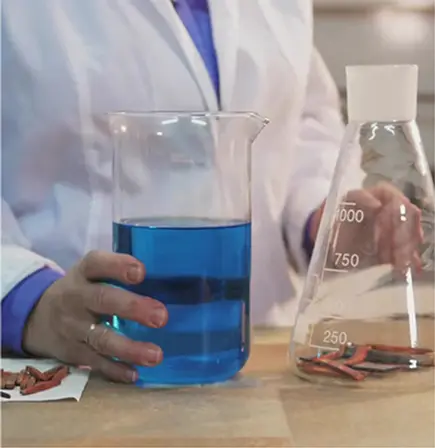

Our in situ remediation products are engineered for break down contaminant across varied site conditions. Each Trap & Treat® solution is designed to break down contamination whether source or dissolved phase, while controlling exposure.
BOS 100® is a field-proven solution for sites impacted by chlorinated solvents like tetrachloroethylene (PCE) and trichloroethylene (TCE). It uses a unique activated carbon iron matrix to trap and destroy contaminants through reductive dechlorination.
Built on an activated carbon platform with facultative microbes, electron acceptors, and nutrients, BOS 200® accelerates the natural breakdown of fuels and petroleum-based solvents. It works in both aerobic and anaerobic conditions, making it ideal for soil remediation techniques and groundwater cleanup.
When you’re dealing with crude oil, lube oils, and persistent light non-aqueous phase liquids (LNAPL), BOS 200+® steps in. It enhances BOS 200® with additional microbial nutrients and an expanded consortium of hydrocarbon-degrading microbes and microbes that support those hydrocarbon-degrading microbes, perfect for sites that demand extra longevity.
CAT 100 was made for tough environments where standard treatments fall flat. Its conductive carbon and catalytic iron system drives sustained degradation of chlorinated compounds through a unique microbial fermentation process.
In situ treatment gets to work immediately, reducing liability and expediting regulatory compliance. That way, you avoid the delays, risks and expense of traditional remediation.
In situ methods offer faster treatment times and require no excavation, allowing you to treat contamination beneath active sites without halting operations. Additionally, there is no aboveground infrastructure to contend with when using in situ remediation.
Even in complex geologies or mixed contaminants, in situ approaches (particularly those using activated carbon platforms) can achieve complete degradation and lasting cleanup.
RPI® provides a full-scope solution, from precise site modeling and product selection to design support and field implementation: