
When fuels reach the subsurface, your first priority is to control exposure while treating contamination. RPI®’s Trap & Treat® technologies adsorb hydrocarbons to activated carbon and support sustained microbial degradation in place. This technology provides practical fuel contamination cleanup for gasoline, diesel, and oil releases that keeps working underground without ongoing maintenance. Installations are performed by RPI®‑approved installers and are supported by our in‑house lab before, during, and after treatment.
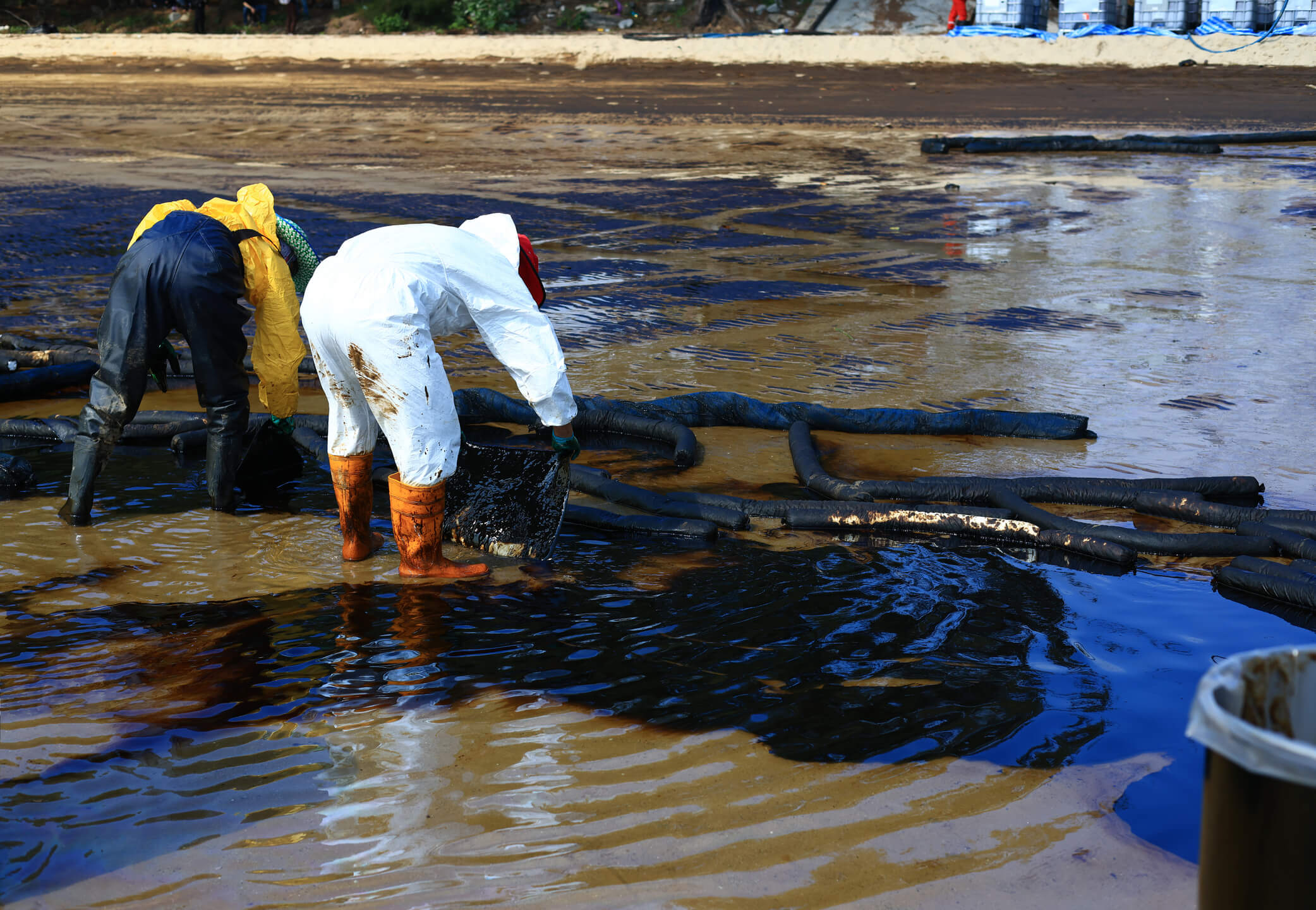
BOS 200® establishes a carbon-based treatment zone that adsorbs dissolved hydrocarbons and sustains biodegradation in place, providing practical, in situ cleanup that keeps working without ongoing maintenance.
How it works on petroleum impacts:
Choose BOS 200+® where hydrocarbon mass is high or mixtures are complex. It is a prepared activated carbon platform with complex carbohydrates, amino acids, and time‑released terminal electron acceptors to sustain bioremediation. BOS 200+® supports vigorous, persistent biodegradation of fuels, fuel oxygenates, and oils. It’s well‑suited to challenging diesel fuel spill cleanup and mixed gasoline–oxygenate plumes such as MTBE and TBA that benefit from sustained biostimulation.
RPI® case data documents large, sustained concentration reductions and multiple No Further Action (NFA) outcomes at fuel spill remediation sites, including USTs, ASTs, depots, and refinery locations. This demonstrates that well‑designed in situ remedies, site‑specific characterization, and monitoring leads to closure outcomes.
What the data shows:
At petroleum LNAPL site treated with BOS 200+®, groundwater contaminants dropped 10–1000-fold post-injection and remains low.
At a gasoline release site treated with BOS 200+®, MTBE decreased 50-fold over about 70 months. At a second site, MTBE and TBA fell below 10 μg/L within 10 months of injection.
No Further Action outcomes at fuel and underground storage tank sites include:
Long‑term BOS 200® performance at an LNAPL site in Denmark underscores sustained effectiveness at petroleum sites.
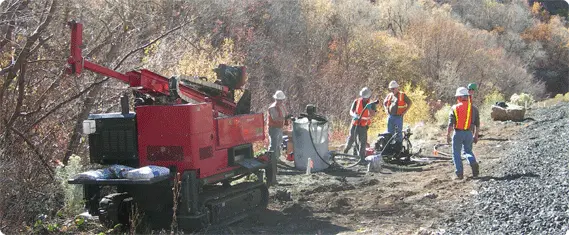
To help match products to release characteristics, below are scenarios where RPI® Trap & Treat® technology performs well:
Effective fuel contamination cleanup starts with Remedial Design Characterization (RDC) to map mass and pathways. RPI‑Group Approved Installers then place the treatment where it will do the most good — establishing in situ remedies that keep working underground. The RPI® Support Lab provides GC/MS analyses at no charge to support deployment and ongoing performance checks.
Contact RPI® about gasoline contamination cleanup, oil leak remediation, and diesel fuel spill cleanup that are predictable, safe to handle, and designed for your site. We’ll help you select BOS 200® or BOS 200+® and create a data‑driven path to closure.
Complete the contact form or call us at 720-821-6569 for an estimate.
