Control exposure and begin mass reduction at the source, while natural source zone depletion acts in the areas beyond the emplacement areas.


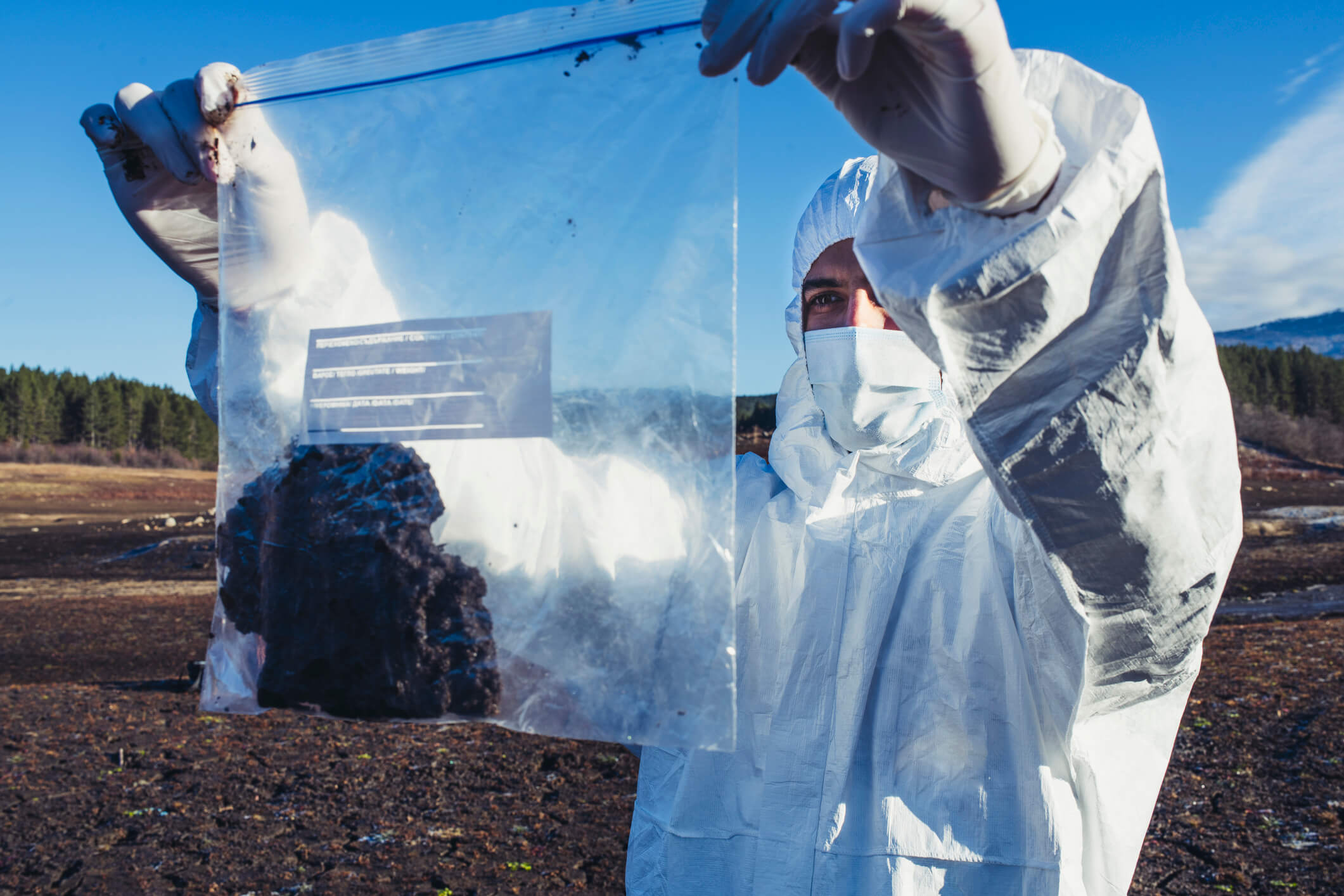
When pumping, skimming and aeration are breaking the bank, you need a remedy that controls exposure on contact and works days, nights, weekends, and holidays without maintenance. RPI®’s Trap & Treat® technologies pair activated‑carbon adsorption with sustained biodegradation to accelerate LNAPL remediation — without costly, continuous mobilizations for maintenance and repairs — so you can move confidently knowing risks are controlled and final closure is on its way.
BOS 200® establishes a carbon‑based treatment zone that immediately adsorbs dissolved petroleum and fosters persistent biodegradation under aerobic and anaerobic conditions. The platform is insensitive to typical groundwater geochemistry and has demonstrated tolerance to high salinity and to TDS up to 30,000 mg/L. These capabilities matter when dissolved phase BTEX and LNAPL reside across lithologies and redox conditions.
That’s why teams rely on BOS 200® when conventional measures stall.
Performance hinges on two coordinated actions underground:
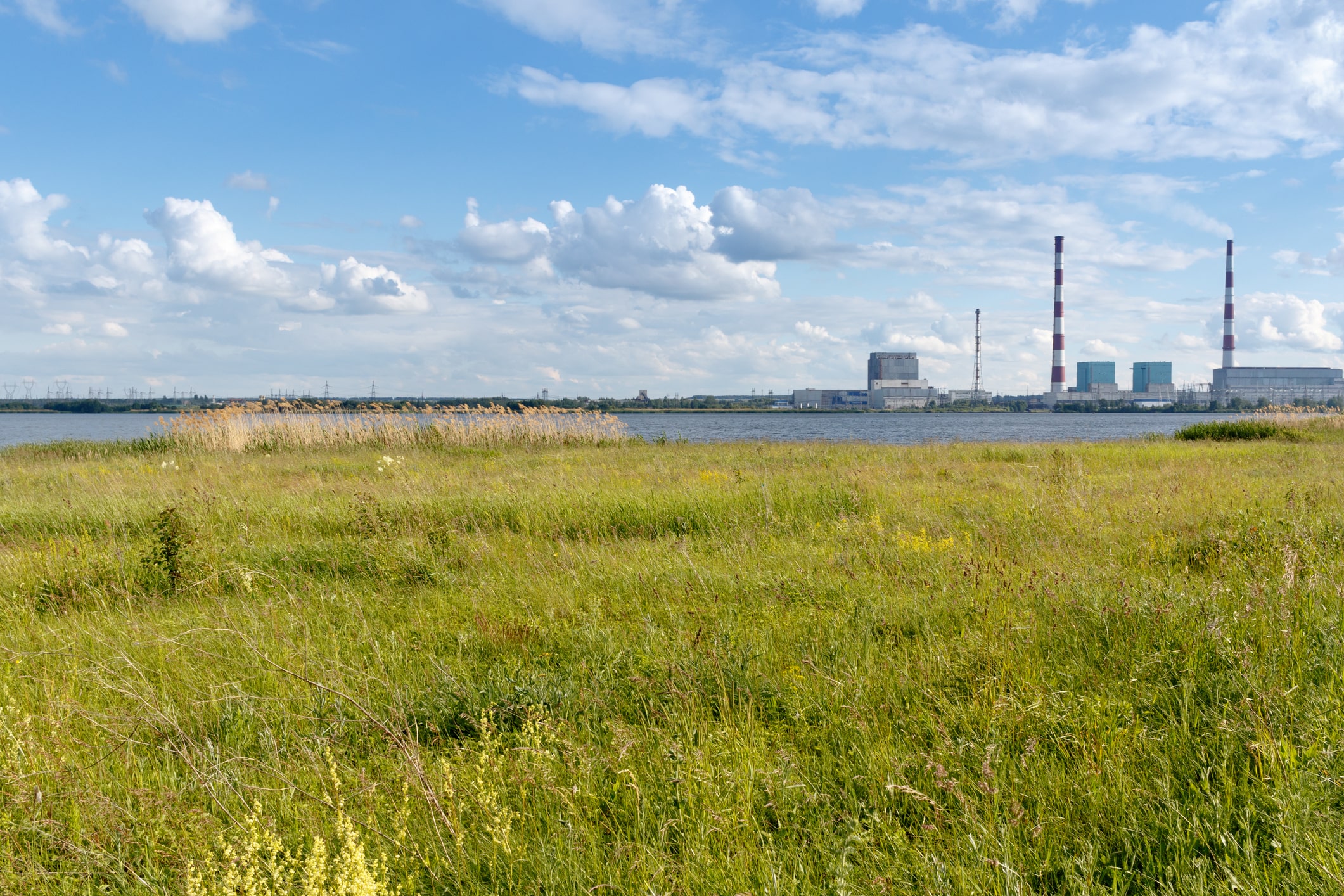
Some LNAPL settings need more persistent biodegradation. BOS 200+® is fortified with complex carbohydrates, amino acids, and nutrients, and a blend of time‑released terminal electron acceptors. The result is a vigorous, durable degradation of LNAPLs, heavier hydrocarbons, and co‑mingled oxygenates. BOS 200+® contains no caustic, explosive, or toxic chemicals and is environmentally benign.
With measured performance that guides design, BOS 200/200+® treated fuel sites show 10‑ to 1000‑fold reductions in dissolved constituents after injection, with sustained low levels through subsequent monitoring — evidence that in situ treatment with BOS 200/200+® can complement LNAPL recovery or replace it. Such outcomes reinforce using performance data and risk reduction after BOS 200/200+® emplacement to quickly meet the standards in risk-based programs.
Effective light non-aqueous phase liquid remediation starts with Remedial Design Characterization (RDC) to map mass, transmissivity, and preferential pathways. RPI®‑approved Installers place the treatment where it will do the most good, using grid‑based injection and vertical coverage through the smear zone. The RPI® Support Lab provides GC/MS analysis at no charge before, during, and after projects, to help teams confirm distribution, early performance, and sustained performance.
Control exposure and begin mass reduction at the source, while natural source zone depletion acts in the areas beyond the emplacement areas.
Maintain biodegradation across variable redox and TDS conditions and avoid multiple re-injections so common to oxygen-generating compounds.
Use an in situ treatment for risk reduction, mass stabilization, and vigorous sustained
Choose RPI® for in situ remediation products that perform across groundwater conditions and produce data you can stand behind. Our Trap & Treat® platform supports LNAPL remediation with safe materials, predictable deployment, and sustained subsurface performance, so that exposure is controlled as biodegradation drives your site to compliance.
Consult RPI® about LNAPL remediation that is safe, predictable, and designed for your geology. We’ll help you select BOS 200® or BOS 200+® and outline a data‑driven path from RDC to installation and monitoring, and regulatory closure on your schedule.
Reach out online for pricing or call 720-821-6569.