
When hydrocarbons impact the subsurface, your first priority is to control exposure while treating contamination. RPI®‘s Trap & Treat® technologies enable in situ bioremediation by pairing adsorption with sustained biostimulation — contaminants are adsorbed to activated carbon while a supported microbial community degrades them in place. The result is practical cleanup of gasoline, diesel, lube oils, and fuel oxygenates that keeps working underground without ongoing maintenance.
Trap & Treat® applies a carbon‑plus‑biology platform to treat petroleum impacts in place.
The core elements are:
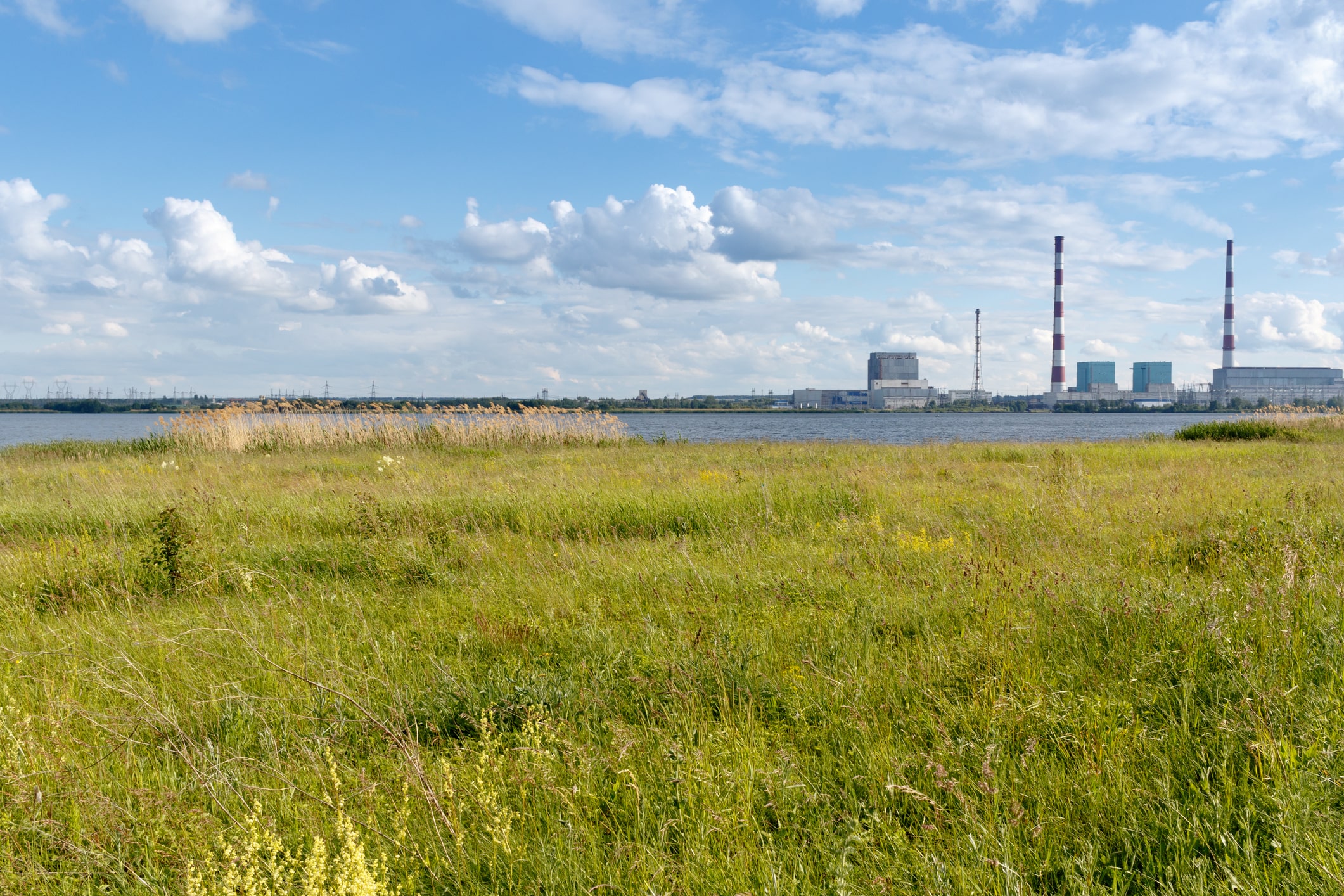
Trap & Treat® supports soil bioremediation techniques at petroleum‑impacted sites where adsorption for exposure control and biology for long‑term mass reduction are needed.
Common use cases include:
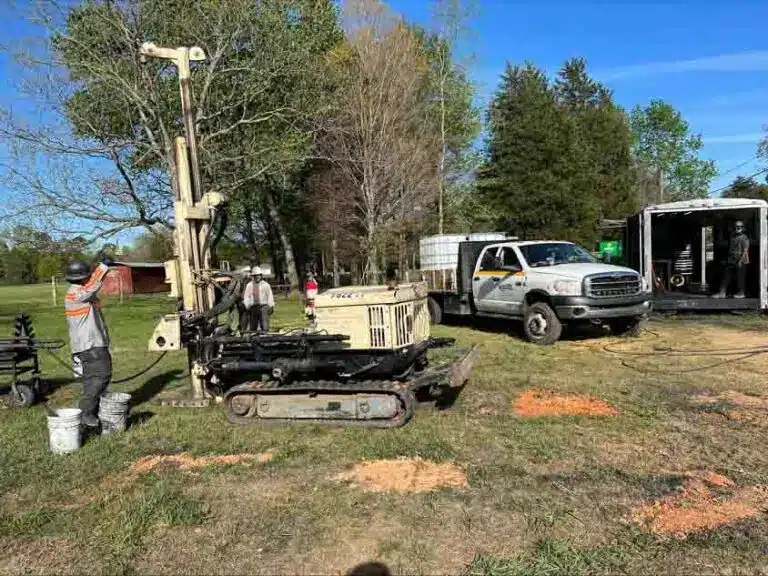
Effective in situ bioremediation with RPI® starts with Remedial Design Characterization (RDC) to map mass and pathways. These data inform targeted designs that place treatment where it will be most effective. Complete installations are performed solely by RPI®‑approved installers, who deliver the carbon‑based slurry efficiently throughout the subsurface. Our in-house RPI® Support Lab provides GC/MS and selected inorganic analyses at no charge before, during, and after projects to help confirm distribution and track performance over time.
Trap & Treat® brings RPI®‘s in situ bioremediation approach to your site design. Using advanced quantitative high-resolution site characterization (qHRSC) and remedial design characterization (RDC) to understand contamination patterns and support a superior conceptual site model (CSM), we develop targeted strategies and treatment procedures that include built‑in biostimulation to sustain degradation across changing subsurface conditions.
If your team is evaluating bioremediation companies, Trap & Treat® technologies integrate seamlessly with your program. The activated carbon platform controls exposure while an aerobic/anaerobic microcosm drives ongoing biological degradation — supporting efficient, data‑driven site management. Your team retains full control of the remediation strategy while RPI® provides proven technologies, design input informed by RDC data, and Support Lab analytics to help verify distribution and track progress.
RPI’s Trap & Treat® platform is engineered for real‑world variability. It combines activated carbon adsorption for exposure control with in‑place biological or abiotic treatment that keeps working underground.
It provides:
Talk to RPI® about in situ bioremediation tailored to your geology, contaminants, and closure goals. No matter where your site is located, we’ll help you evaluate BOS 200® vs. BOS 200+® for your site, translate Remedial Design Characterization into a targeted in situ design, coordinate with RPI®‑approved installers, and set up Support Lab analytics for performance checks.
Request an estimate today.