Approach

Our Approach to Remedial Design Characterization

Effective cleanup begins with understanding where contamination sits, how it moves, and how to treat it without causing harm. RPI® uses Remedial Design Characterization to take the guesswork out of in situ remediation design — so innovative remediation techniques can target RPI’s BOS and CAT products to the right intervals and in the right volumes. Our work pairs conceptual site modeling with field‑ready analytics and proven products to control exposure while treating contamination.

Contact Us Site Evaluation 

From Site Model to Targeted Design

From perfect approach to expert handling, we are leaders in developing remediation technology. Our methods are often replicated, never duplicated, and backed by documented results.

The power of Trap & Treat® isn’t just in the products. It’s in a three-pronged approach that includes:

  1. Conceptual site modeling: We start by refining the picture of mass distribution and pathways in the subsurface. High‑density conceptual site modeling directs where to intervene and how to space deliveries, turning a remediation site assessment into an actionable design. Our conceptual site models rely on a thorough Remedial Design Characterization (RDC) to pinpoint exactly where remediation is needed.
  2. Remedial Design Characterization:  RDC sampling quantifies contaminant mass and variability at a scale that matters for injection. Informed interval selection, loading, and grid geometry are key design elements for in situ remediation. We work closely with you from start to finish. We think deeply to find the most innovative, creative solutions to the most significant challenges to achieving site closure.
  3. Effective Trap & Treat® products: Trap & Treat® BOS 100® uses abiotic reduction to address halogenated compounds. CAT 100 adds an biotic mechanism to BOS100’s abiotic reduction of halogenated compounds to increase longevity and expand the compounds that can be addressed.  BOS 200® uses biotic degradation to address hydrocarbonsBOS 200+® builds upon BOS 200 for sustained biodegradation at heavily contaminated and LNAPL sites. 

Success Stories

approach.jpg-1-Photoroom

We Design for Mechanism and Longevity

RPI® designs around how contaminants are destroyed and how long the remedy lasts. We use RDC to pinpoint where mass accumulates and match the product to the problem.

Our site-specific remediation designs: 

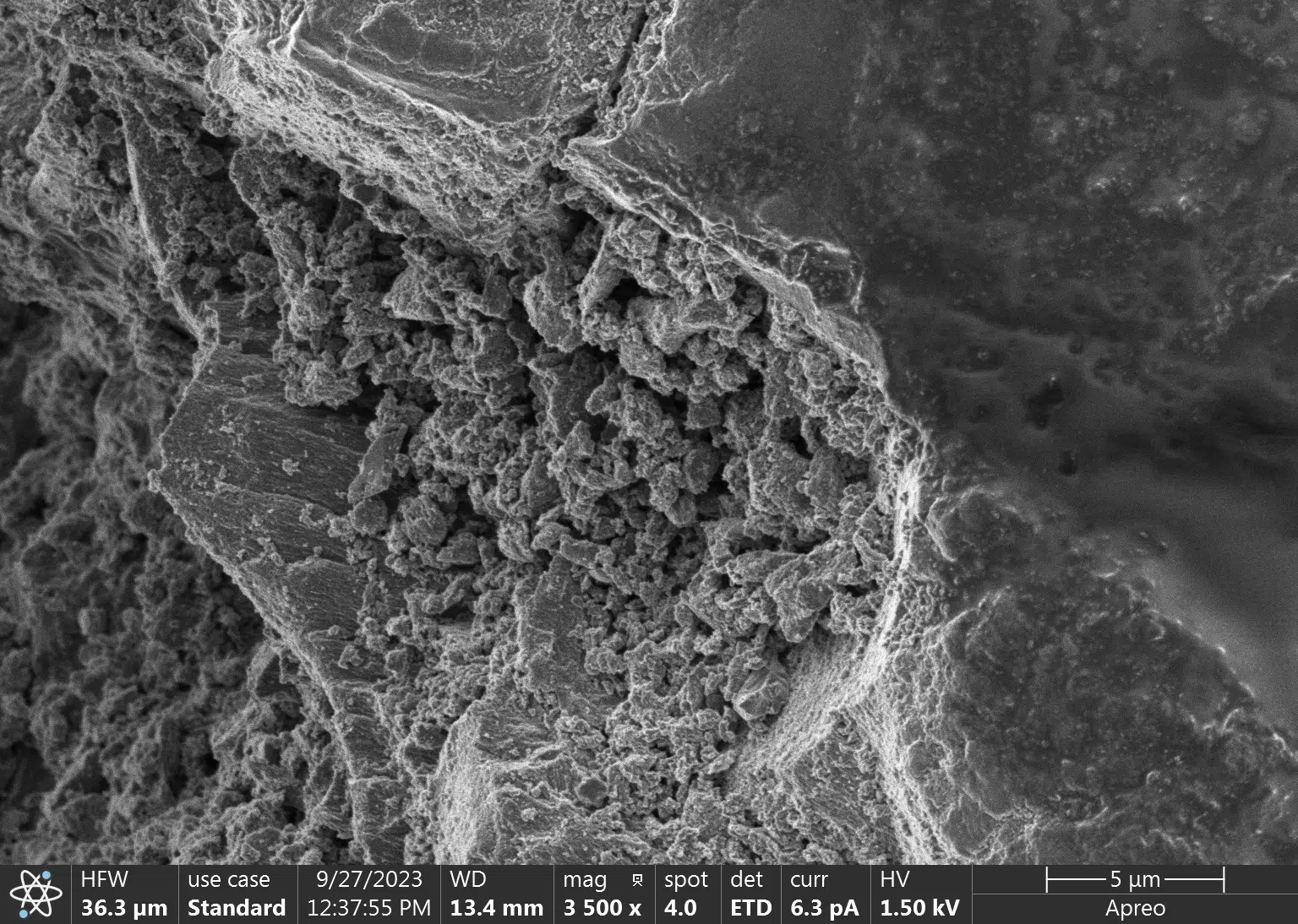
  • Use activated carbon adsorption as the foundation: RPI® solutions build on activated carbon adsorption to cut off exposure pathways while treatment proceeds in place. Adsorption localizes mass where biological or abiotic reactions are most effective. 
  • Match mechanisms to contaminants: For petroleum hydrocarbons, BOS 200®/BOS 200+® leverage adsorption plus sustained biostimulation across aerobic and anaerobic conditions. For chlorinated solvents and DNAPL settings, BOS 100® integrates metallic iron within carbon to enable reductive dehalogenation at the adsorption sites — addressing mass where it concentrates. 
  • Integrate durability as a goal: BOS 100® is not a physical mixture of ZVI and carbon — iron is part of the carbon structure, co-locating reaction sites with adsorbed mass and supporting long‑term performance. This is central to our innovative remediation techniques that prioritize durability.

Remediation Injection Strategies That Deliver

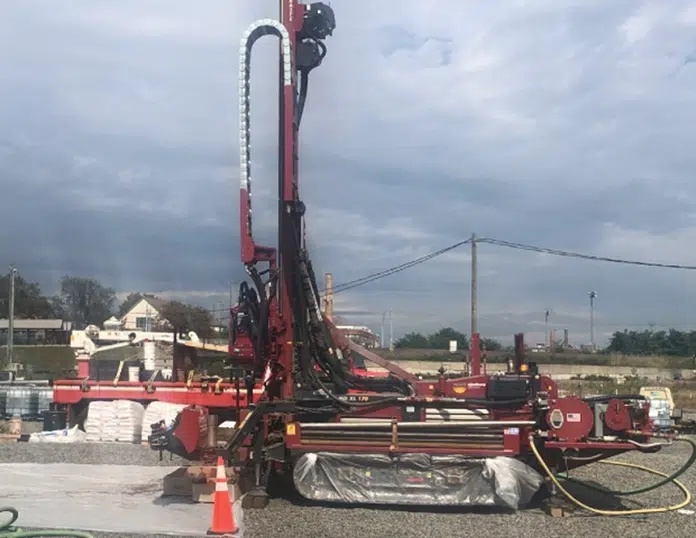
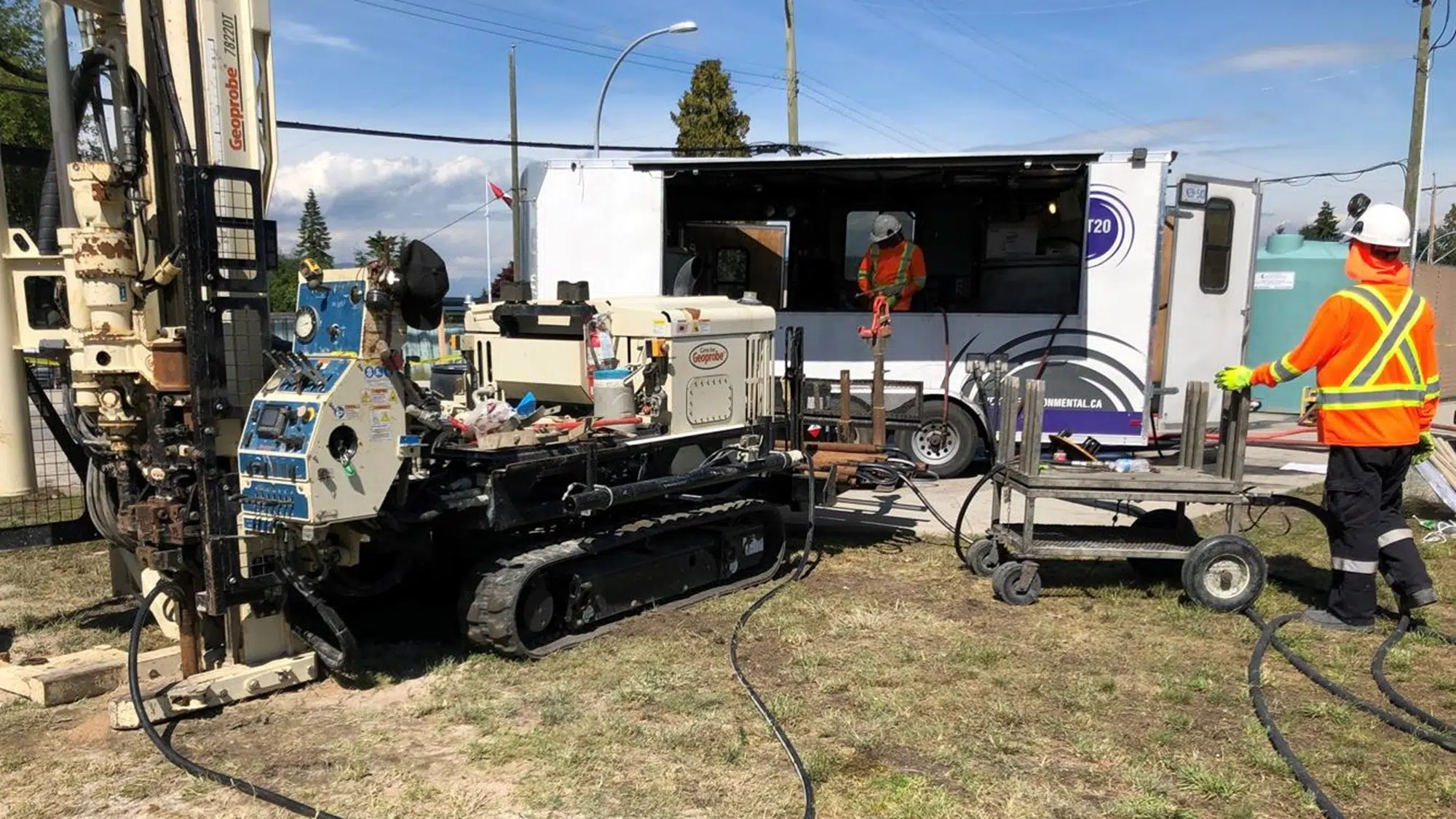
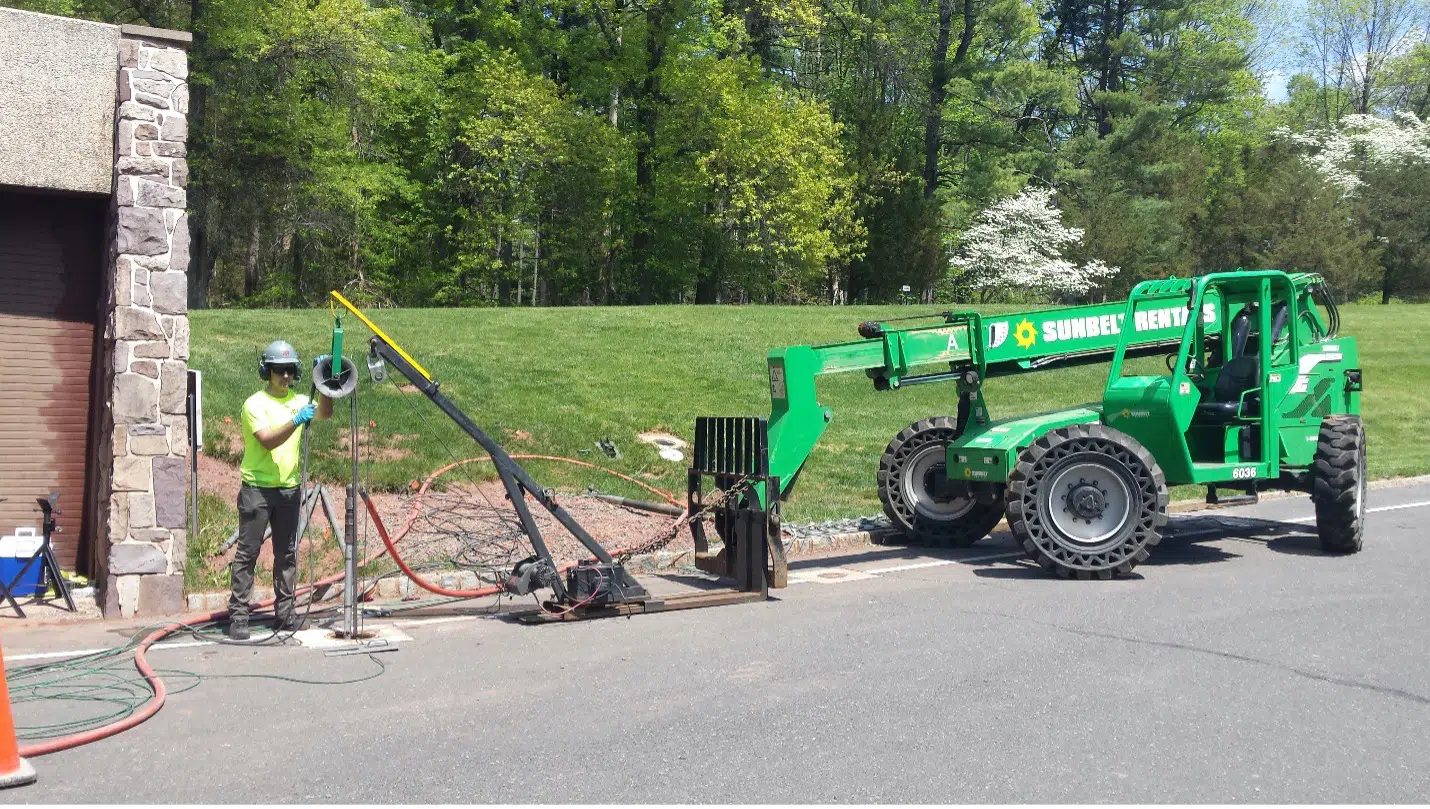
RPI®’s remediation injection strategies start with data. High-density conceptual site modeling and Remedial Design Characterization inform horizontal spacing, vertical intervals, and injection volumes. Trap & Treat® slurries are mixed and injected by RPI® Group-approved installers using direct push and specialized tools to even product placement and improve lateral coverage, while harmless-to-handle slurries keep everyone safe and sound.

Verification Closes the Loop 

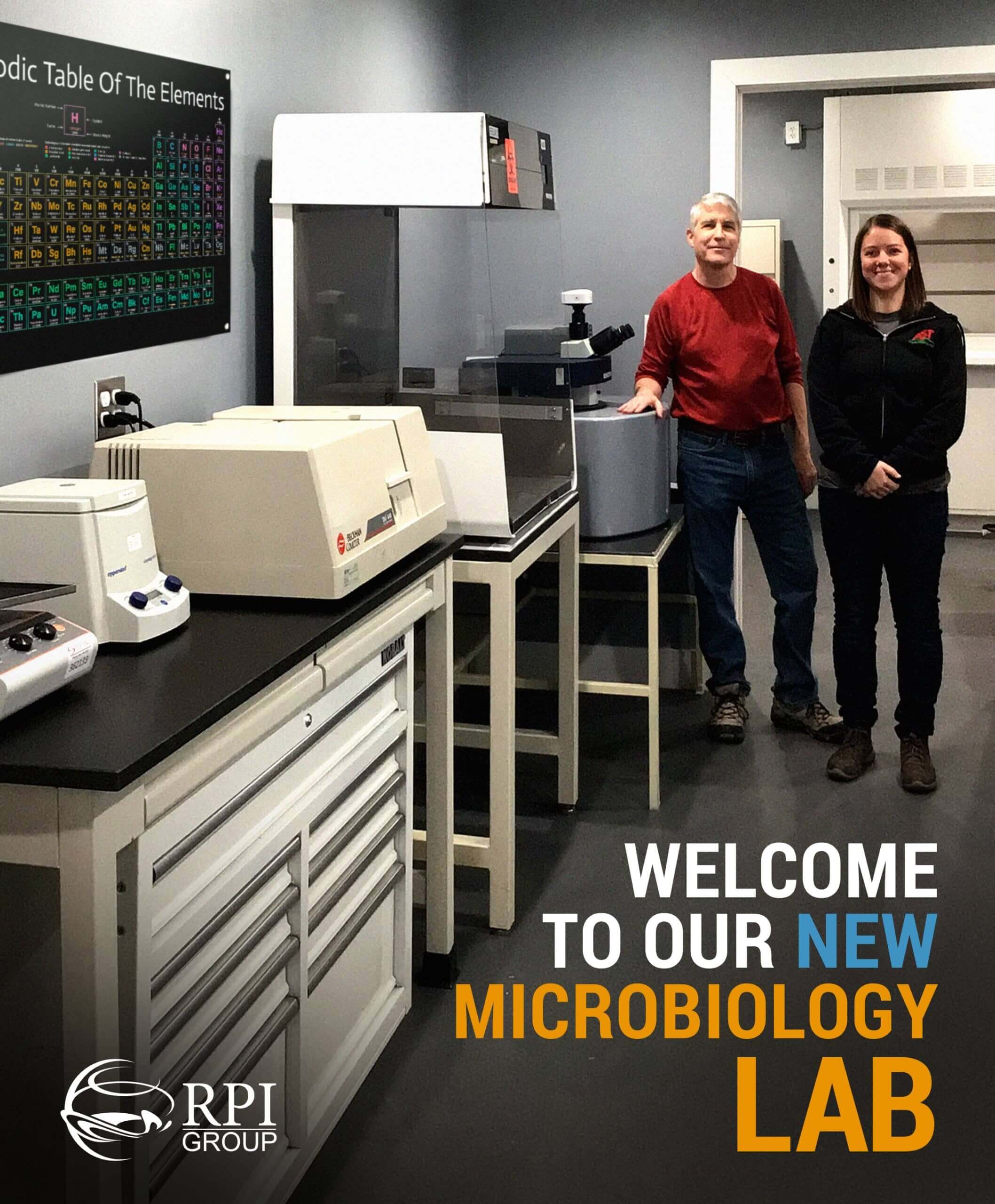
The RPI® Support Lab provides GC-MS and selected inorganic analyses at no charge before the project to support the RDC, during the project to check distribution, and after the project to track performance. Results across LNAPL with BOS 200® and BOS 200+® and DNAPL with BOS 100® and CAT 100 demonstrate that a mechanism-matched design, combined with rigorous installation and verification, yields durable outcomes.

Learn More

Resources

Remediation Resource Highlight

Request an Estimate

Contact Us