

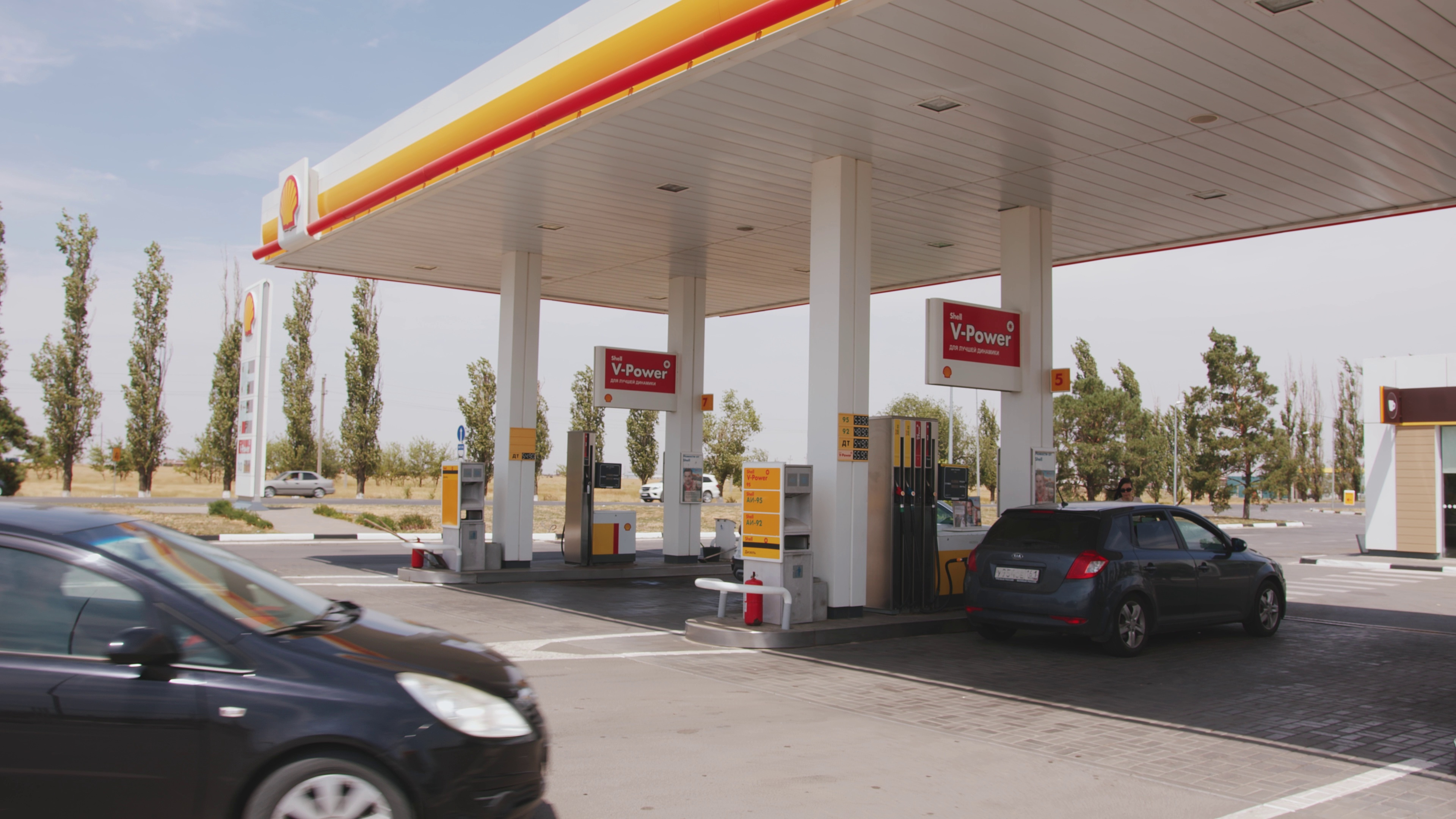
Retail petroleum facilities must address subsurface contamination before property transactions, regulatory deadlines, or redevelopment projects can proceed. Whether you’re managing a former gas station site remediation or an active service station with legacy impacts, underground storage tank releases create persistent BTEX plumes, MTBE migration, and compliance challenges that require proven solutions.
RPI® manufactures BOS 200® and BOS 200+® — Trap & Treat® technologies that environmental remediation contractors rely on to achieve regulatory closure at gas stations and retail petroleum sites nationwide.
Gas station contamination cleanup often involves decades of accumulated impacts from underground storage tanks, dispensers, and product lines. Benzene, toluene, ethylbenzene, and xylene compounds are carcinogenic, highly mobile, and can persist for years in subsurface soil and groundwater. MTBE, a fuel oxygenate added to reformulated gasoline, moves farther and faster than other gasoline components, extending plumes beyond source zones and triggering state-specific action levels.
Phase II Environmental Site Assessments are required before most property transactions, and state regulators expect documented proof that sites meet cleanup goals. Conventional pump-and-treat systems require infrastructure, ongoing maintenance, and years of operation, yet rarely achieve site closure as stand-alone technologies. Service station remediation projects stall when treatments fail to address residual mass in fractured bedrock, clay with sand lenses, or heterogeneous fill.
BOS 200® provides environmental remediation contractors with a dual-action platform. Activated carbon adsorbs petroleum hydrocarbons on contact, cutting off exposure pathways. Facultative microbes, electron acceptors, and micronutrients support sustained biodegradation under both aerobic and anaerobic conditions. This controls plume migration from day one and drives long-term contaminant degradation without excavation or aboveground treatment systems.
For heavily impacted sites or complex petroleum mixtures, BOS 200+® builds on the BOS 200® formulation with additional carbohydrates, amino acids, and nutrients to accelerate microbial activity. Both products remain active in the subsurface for years, degrading contaminants without ongoing maintenance.
RPI®‘s Remedial Design Characterization process uses high-density soil sampling to quantify contamination distribution in three dimensions, enabling surgically precise injections targeting source zones and migration pathways. The RPI® Project Support Laboratory analyzes samples at no charge with overnight turnaround during field implementation.
Retail petroleum remediation projects benefit from RPI® Group Companies’ expertise installing BOS technologies via direct-push or pre-drill methods. When conventional equipment encounters refusal zones, pre-drill techniques bypass gravel layers or obstructions to reach target treatment depths.
A former retail gasoline site in New York City received multiple In Situ Chemical Oxidation treatments without achieving cleanup goals. After RPI Group Companies installed BOS 200® in 2015, the site achieved No Further Action status in 2018 and has been redeveloped into a six-story mixed-use building.
An active European gas station with NAPL impacts received BOS 200® to protect the primary aquifer and prevent off-site migration. Benzene concentrations dropped an average of 94%.
A GoForth, North Carolina site had gasoline impacts in fractured bedrock with benzene detected as high as 9,890 μg/L. After RDC characterization, BOS 200® was surgically injected using discrete interval techniques. The petroleum remediation project achieved North Carolina’s groundwater cleanup goals.
When regulatory timelines, property transactions, or redevelopment plans depend on achieving closure, RPI® products deliver the data-driven performance contractors need. BOS 200® and BOS 200+® keep working underground without ongoing maintenance, controlling exposure while treating contamination to meet state cleanup goals.
Call RPI® today at 303-385-0386 or contact us online to discuss your gas station contamination cleanup needs and explore how Trap & Treat® technologies can accelerate your project.