PFAS BOS+™

tab-right-img
Our Products

PFAS BOS+™

Decades of firefighting foam use at fire training sites may leave both PFAS and petroleum hydrocarbons behind. Treating these contaminants separately can complicate remediation planning and site management by increasing project costs and creating greater site disruption.

RPI®’s PFAS BOS+™ addresses both contaminant classes in one in situ application, reducing the need for separate remediation technologies at AFFF-impacted sites.

How It Works

Trap & Treat® PFAS BOS+™

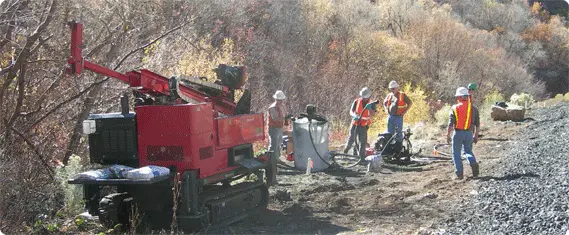
Drill rig performing soil investigation for Trap & Treat BOS 200 remediation in Spanish Fork, Utah

1 Technology. 2 Contaminant Classes.

PFAS BOS+™ combines high-grade bituminous coal-based re-agglomerated virgin activated carbon with bacteria, nutrients, and specialized additives engineered for the degradation of hydrocarbons.

The activated carbon adsorbs PFAS contaminants, transferring them from the surrounding soil and groundwater into the carbon matrix for stabilization. The biological component promotes degradation of petroleum hydrocarbons and light non-aqueous phase liquids (LNAPL) within the same contaminated zone. 

InsideTrailer2

How PFAS BOS+™ Treats Combined Contamination

With PFAS BOS+™, PFAS adsorption and hydrocarbon degradation occur within the same contaminated zone: 

  • Characterize: Site characterization maps both PFAS concentrations and petroleum hydrocarbon distribution. These findings inform application design, including carbon dosing, injection spacing, and biological treatment requirements. 
  • Trap: High-grade activated carbon is placed or injected directly into the treatment zone using RPI®’s established in situ delivery methods. PFAS molecules are adsorbed onto the carbon’s micropore surfaces, helping intercept migrating PFAS before they reach property boundaries, surface waters, wetlands, and other sensitive receptors.
  • Treat: Bacteria, nutrients, and specialized additives work within the same zone to degrade the petroleum hydrocarbons and LNAPL present at the site. While these components support hydrocarbon breakdown, the adsorbed PFAS remain stabilized within the activated carbon.
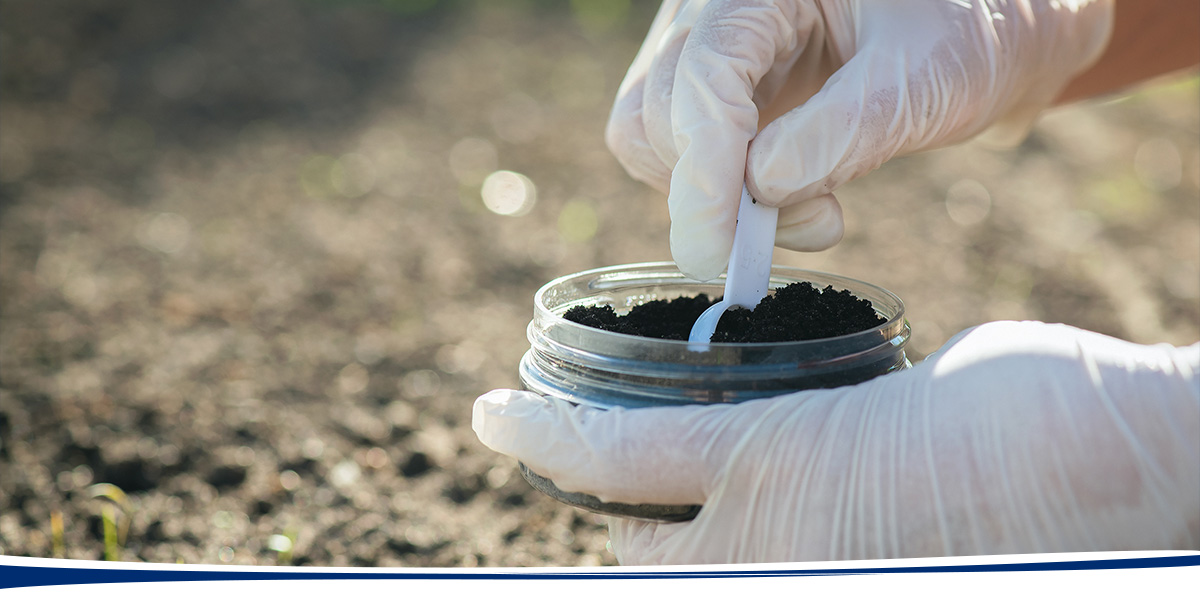
hands wearing white gloves taking a soil sample

Primary Applications for PFAS BOS+™

PFAS BOS+™ is designed for active and legacy AFFF-impacted fire training areas and fire response sites where significant hydrocarbon contamination is comingled with PFAS. That includes airports and military bases where PFAS compounds are present alongside petroleum-based fuel residues in soil and groundwater.  

Fuel storage areas, transfer points, and fueling infrastructure co-located with historic firefighting activity can introduce additional hydrocarbon contamination. For these sites, an in situ PFAS remediation solution that also addresses petroleum hydrocarbons reduces the need to manage overlapping contaminant sources through separate treatment systems. 

Contact Us

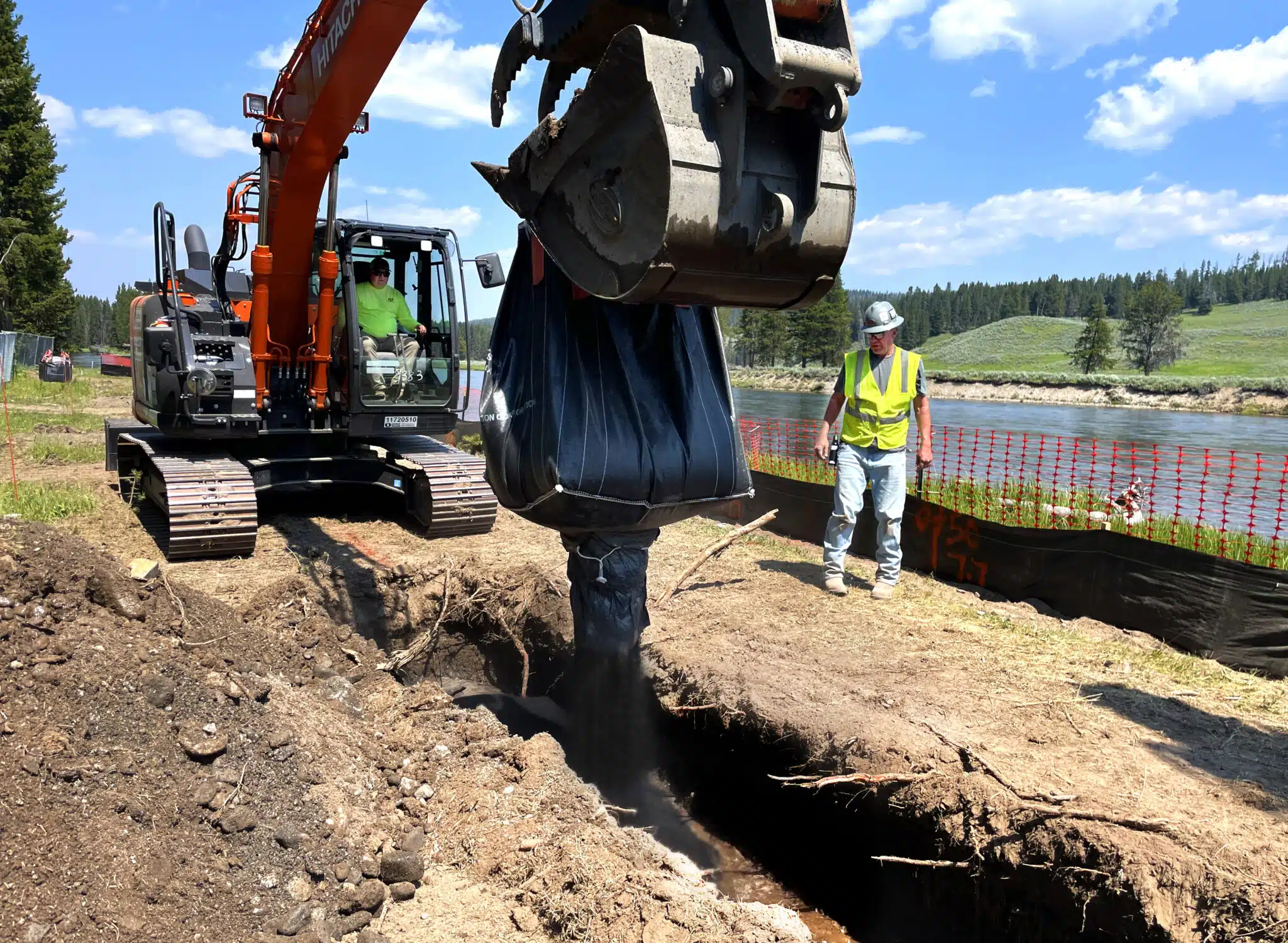
Trackhoe-w-AC-Yellowstone-2024-IMG_1395_Edit-2048x1500-1

Treatment Across Diverse Subsurface Conditions 

PFAS BOS+™ is engineered to perform across a variety of subsurface environments. Its biological component supports hydrocarbon degradation across varied groundwater and soil conditions.

The technology targets LNAPL and petroleum hydrocarbon contamination, as well as a broad range of PFAS compounds, including PFOA and PFOS.

IMG_20200209_153711324_HDR-scaled

Why Trust RPI® With Your AFFF Site?

RPI® works alongside your remediation team, bringing established technology, analytical capabilities, and practical installation expertise to every project: 

  • Decades of experience: We’ve spent years developing and implementing in situ activated carbon technologies, backed by patent-protected Trap & Treat® remediation science.
  • In-house analytical laboratory: RPI®’s laboratory analyzes thousands of soil and groundwater samples annually, providing project-specific analytical support to help track treatment progress before, during, and after installation. Laboratory services are included at no additional cost for the life of the project. 
  • Proven customer relationships: RPI® supports remediation teams across complex sites with Trap & Treat® technologies designed for long-term subsurface performance.

Contact RPI® About PFAS BOS+™

From treatment design to installation and monitoring, RPI® works with remediation teams worldwide to develop site-specific strategies that support measurable progress toward regulatory closure. 

Let our experts help you move your site forward. Call 303-385-0386 or reach out to us online to discuss your AFFF-impacted site and how to incorporate PFAS BOS+™ into your remediation strategy.

Contact Us Today