PFAS BOS™

methods-2
Our Products

PFAS BOS™

PFAS contamination creates persistent environmental liability. These “forever chemicals” resist natural breakdown and accumulate in soil and groundwater at industrial, airport, and manufacturing sites.

PFAS cannot be biodegraded or chemically destroyed by current in situ treatment mechanisms. Instead, effective remediation strategies must capture these compounds and restrict their mobility. PFAS BOS™ is RPI®’s solution for PFAS-impacted sites, built to help site teams manage exposure pathways and work toward regulatory closure.

How It Works

Trap & Treat® PFAS BOS™

GettyImages-1205580713-1

What Is PFAS BOS™?

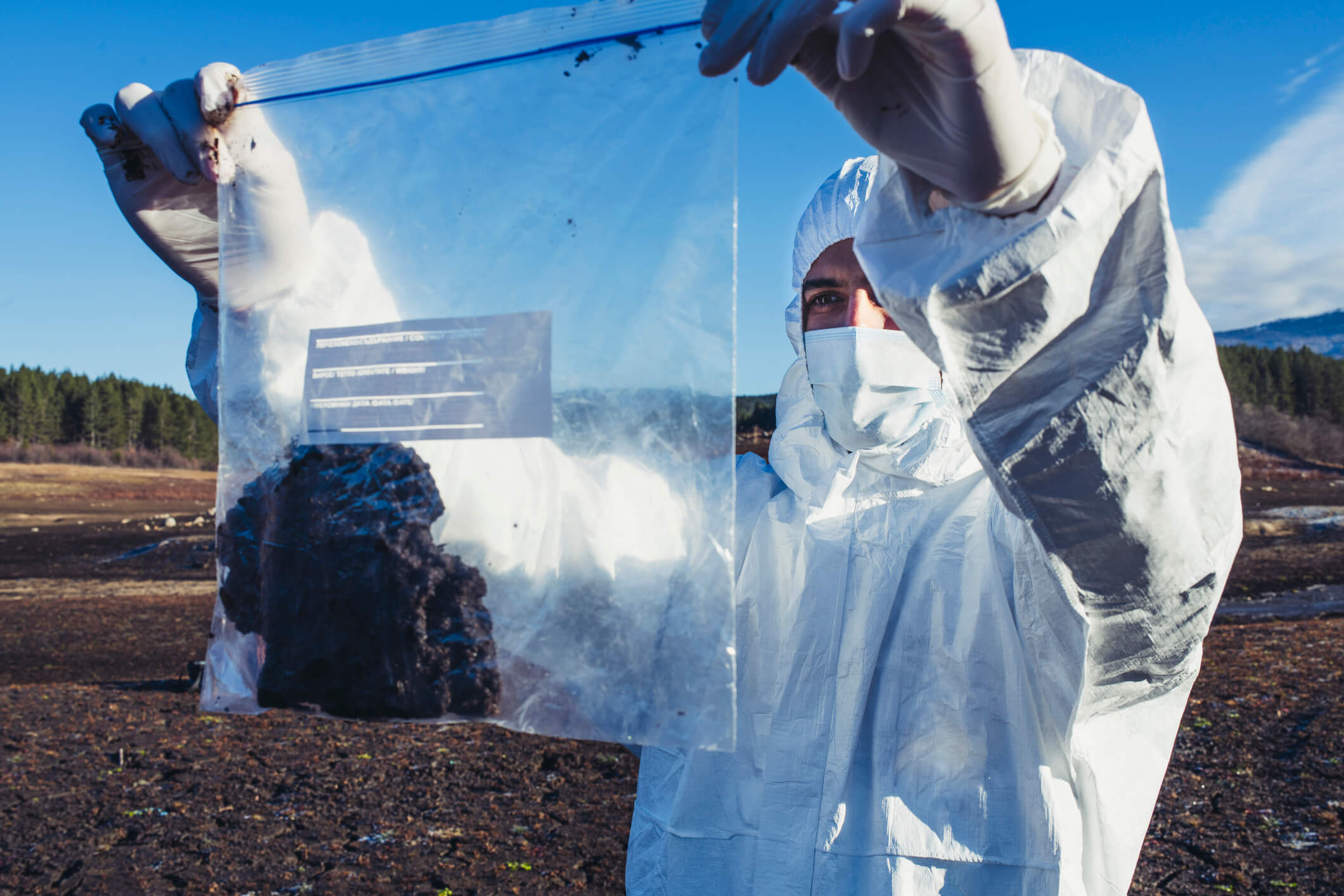
PFAS BOS™ is an in situ remediation technology manufactured from high-grade, coal-based, re-agglomerated virgin activated carbon. It’s formulated specifically for sites where PFAS is the principal contaminant, providing a targeted approach that traps and stabilizes PFAS compounds directly within the subsurface contamination zone.

IMG_20200210_090206130_HDR-scaled

How PFAS BOS™ Works

PFAS BOS™ captures PFAS molecules and holds them in place, helping limit PFAS mobility in groundwater and reduce long-term exposure risk:

  • Characterize: Site characterization maps PFAS mass distribution across soil and groundwater, informing the appropriate application design.
  • Apply: PFAS BOS™ is applied using RPI®’s established in situ delivery methods, placing high-grade activated carbon directly in the contaminated zone. 
  • Trap: As groundwater moves through the carbon, PFAS molecules are adsorbed onto the carbon’s micropore surfaces.
  • Stabilize: PFAS are immobilized within the activated carbon matrix, reducing dissolved concentrations and limiting contaminant migration through the subsurface.

Safety Data Sheet

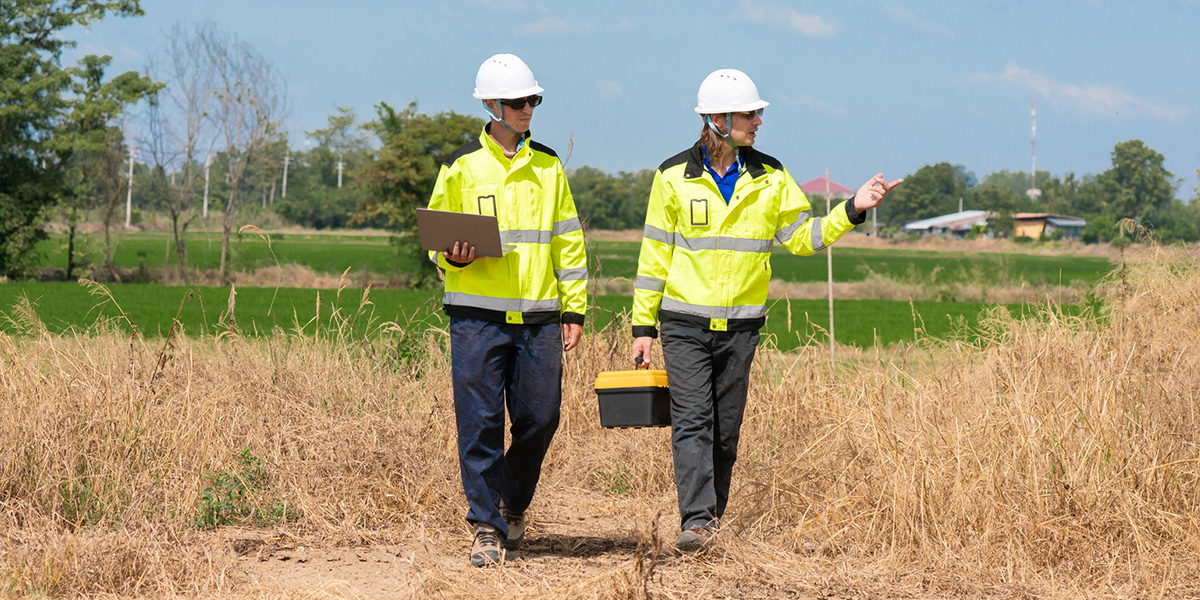
two field workers in protective gear

Primary Applications for This PFAS Treatment 

PFAS BOS™ is suited to environmental remediation teams working to remove PFAS contaminants from soil and groundwater and control exposure across a range of industrial and manufacturing applications. If there is a need to contain a PFAS plume, protect a property boundary, or safeguard a valuable water resource, PFAS BOS™ can help to achieve your goals.

AFFF-Impacted Fire Training Areas Where Hydrocarbon Impacts are Minimal

Airports, military bases, and fire training facilities may contain PFAS contamination associated with historical use of aqueous film-forming foam (AFFF). Repeated live-fire training can introduce PFOS and related compounds into training pads, surrounding soils, and underlying groundwater. 

PFAS-Based Manufacturing Sites

Facilities that historically produced non-stick cookware, water- and stain-repellent textiles, and food-contact packaging may have released PFAS through process discharge or waste handling. PFAS BOS™ provides an in situ adsorption approach for addressing resulting subsurface contamination.

Land Impacted by Legacy Biosolids 

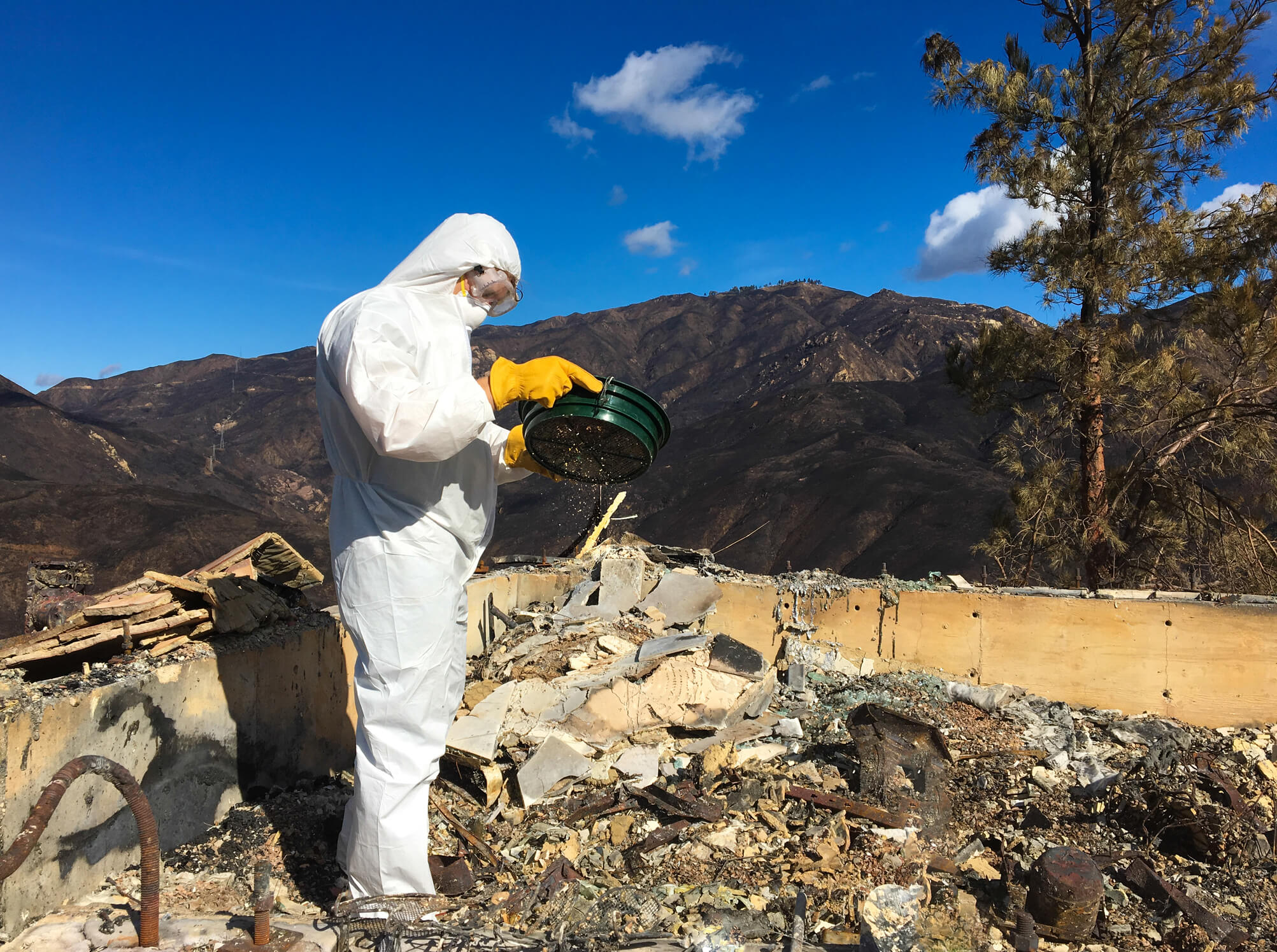
Agricultural or municipal lands may retain contamination where PFAS-containing treated wastewater biosolids were applied as fertilizer before the practice was largely curtailed. PFAS BOS™ can be incorporated into site-specific remediation strategies targeting residual soil and groundwater impacts.

Contact Us

GettyImages-1076431686-1

Site Conditions PFAS BOS™ Handles

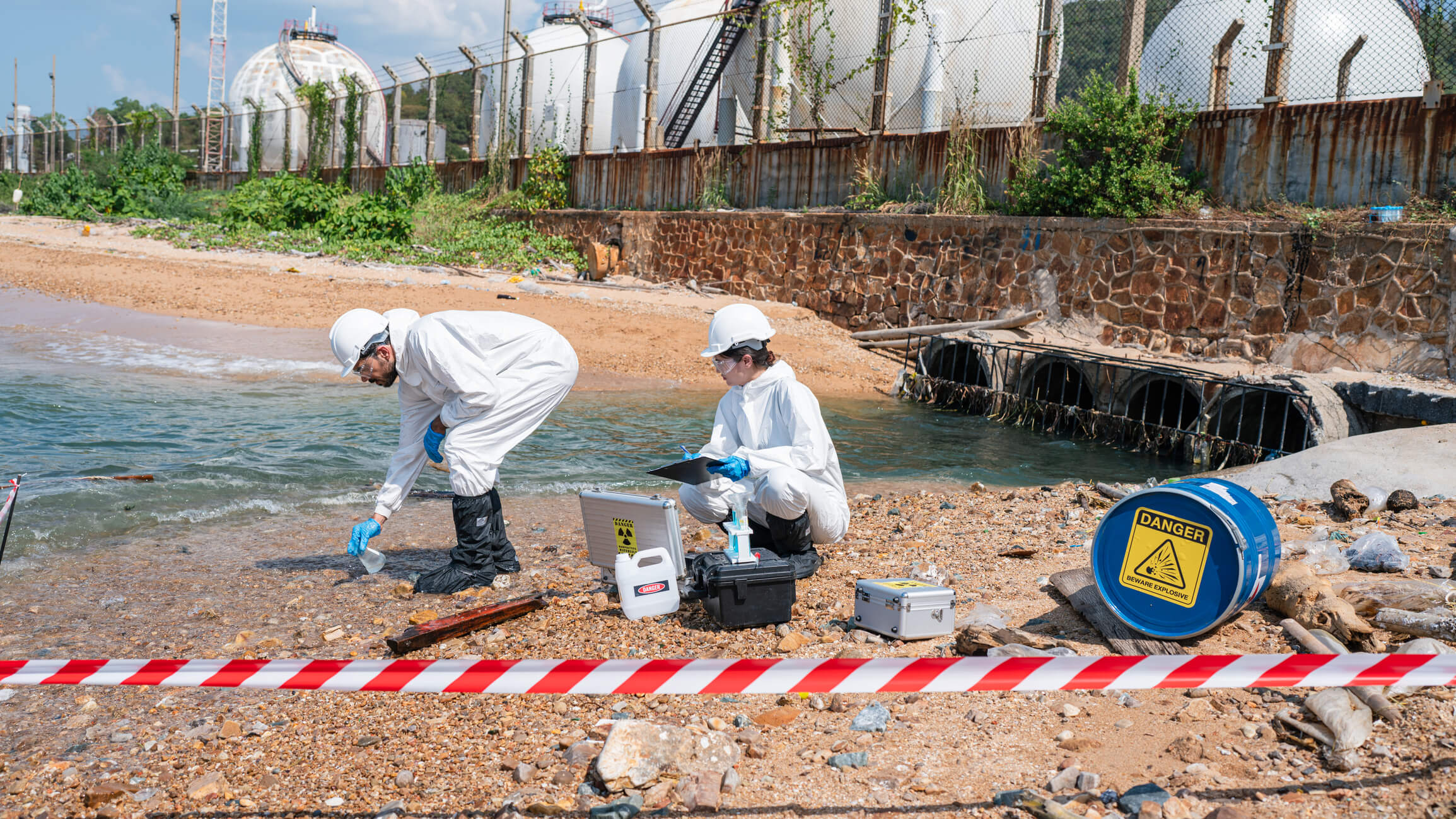
PFAS BOS™ is formulated to address a broad spectrum of PFAS compounds, including short-chain compounds and long-chain variants such as PFOS and PFOA. Treatment design accounts for PFAS composition, groundwater chemistry, and subsurface conditions. PFAS BOS™ can be applied across a range of soil types and groundwater geochemical environments. 

GettyImages-1971708423-1

Why Trust RPI® With Your PFAS Site

From initial characterization through PFAS remediation product installation and performance monitoring, RPI® works alongside remediation teams to develop site-specific strategies focused on measurable progress and regulatory closure: 

  • Decades of in situ activated carbon remediation experience: We bring established design and installation expertise to complex subsurface projects. 
  • In-house analytical laboratory support: RPI®’s dedicated laboratory analyzes thousands of soil and groundwater samples annually. Laboratory support can help track treatment progress before, during, and after installation at no added cost for the life of the project.
  • RPI®-approved installer network: Experienced, approved installers apply PFAS BOS™ using targeted delivery methods designed to achieve precise treatment placement and distribution. 

Contact RPI® About PFAS BOS™

Every PFAS site has its own chemistry, geology, and regulatory pressures — your remediation approach should match them. Talk to RPI® about your site conditions and how PFAS BOS™ can help you move toward regulatory closure. Call 303-385-0386 or contact us online to get started. 

Contact Us Today